



Quick Tips…
Is your chair supporting you?
Try these simple 2‑minute checks
A simple way to support your natural posture
A supportive chair doesn’t hold you in place — it meets your body where it naturally settles. When your seat height, backrest, and posture work together, your back and hips can stay comfortable without effort.
Workora’s Take
Most people set their chair once and never think about it again. But small shifts in height, angle, and support can change how your whole body feels. A chair that meets your natural posture helps you stay grounded and at ease through the day.
Quick Cues to Check Your Chair Support

1. Notice where your lower back meets the chair.
If there’s space, your body may be doing more work than it needs.

2. See whether your hips feel level and supported.
A slight tilt can change how your spine carries weight.

3. Check if your shoulders feel relaxed, not lifted.
Chair height can subtly shift how your upper body holds itself.

4. Feel whether your feet rest naturally on the floor.
Stable footing helps your posture settle without effort.
Quick Adjustments
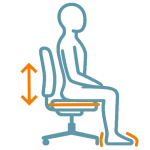
1. Raise or lower your chair until your hips feel level.
A balanced seat helps your spine settle into a natural line.

2. Bring the backrest forward until it meets your lower back.
Support where your body curves reduces the urge to lean or brace.
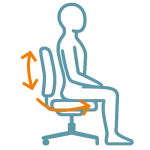
3. Adjust the seat angle so your pelvis feels neutral.
A gentle tilt helps your back stay comfortable without effort.
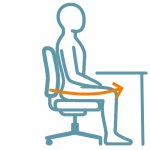
4. Shift your chair slightly closer to your desk.
A closer position reduces the pull to lean forward.
Why This Matters
When your chair supports your natural posture, your back, hips, and shoulders don’t have to work as hard. It’s a simple way to feel more at ease through the day.
FAQ’s
Your hips should feel level, and your feet should rest comfortably on the floor without reaching or lifting.
Gentle contact helps your spine stay supported without effort, especially during longer periods of sitting.
Related Quick Tips
Quick Tips: Are Your Feet Resting Naturally?