


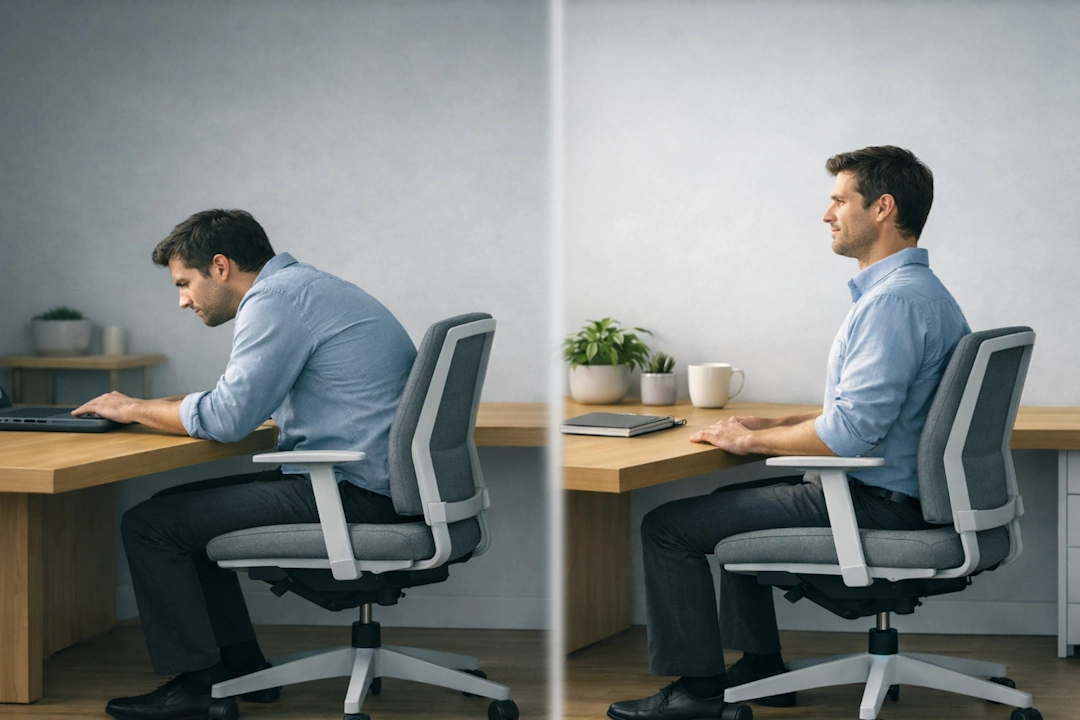
The Science Of Posture
A calm, evidence‑based look at how the body adapts, responds, and supports us throughout the workday.
What Posture Actually Is
Posture is often described as something you “fix” or “hold”, but the science tells a different story. Posture is not a position — it’s a living system. It shifts, adapts, and reorganises itself throughout the day in response to gravity, support, attention, and the environment around you.
Posture is a living system.
It shifts, adapts, and reorganises itself constantly in response to gravity, support, attention, and the environment around you. Even when you think you’re sitting still, your body is making hundreds of micro‑adjustments every minute — small muscular activations that keep you balanced, upright, and comfortable.
Rather than being a single “correct” shape, posture is a dynamic pattern of movement. It reflects how your body distributes load, how your nervous system manages effort, and how your environment shapes your behaviour.
Posture is not a moral choice.
It’s a biological response.
The Biomechanics Behind Everyday Posture
Your spine is designed to move.
It curves, absorbs force, and redistributes load as you shift through the day. When you sit, stand, lean, or reach, your body naturally seeks the position that requires the least effort at that moment.
Your spine is designed to move.

- Load distribution The spine and surrounding muscles work together to share the weight of your head, arms, and torso. When one area tires, another takes over.
- Support and surfaces Chairs, armrests, desk height, and screen position all influence how your body organises itself. The body adapts to whatever support is available.
- Energy conservation Humans are wired to minimise effort. If a position feels easier — even if it’s not ideal long‑term — your body will naturally drift toward it.
- Movement as maintenance Small shifts in weight, subtle rotations, and gentle fidgeting are not signs of “bad posture”. They’re signs of a healthy, responsive system.
Biomechanics isn’t about holding still.
It’s about allowing the body to move in ways that feel natural and supported.
Posture and the Brain
Posture isn’t just physical — it’s cognitive.
Your brain constantly monitors your body’s position, comfort, and effort levels. When posture becomes strained or unsupported, the brain has to work harder to maintain focus. This increases cognitive load, reduces attention, and can make tasks feel more tiring than they should.
Research shows that posture influences:

- Focus — discomfort competes for mental resources
- Energy — inefficient positions drain the body faster
- Mood — physical tension can amplify stress
- Decision‑making — fatigue reduces clarity and patience
The relationship is two‑way:
Your posture affects your mind, and your mind affects your posture.
When you’re absorbed in work, your body often collapses into the easiest shape. When you’re stressed, you may tighten muscles without realising. When you’re relaxed, your posture often softens.
Understanding this connection helps us see posture not as a discipline, but as a dialogue between body and brain.
The Environment Shapes the Body
One of the most important insights in posture science is this:
Your environment shapes your posture far more than your willpower does.
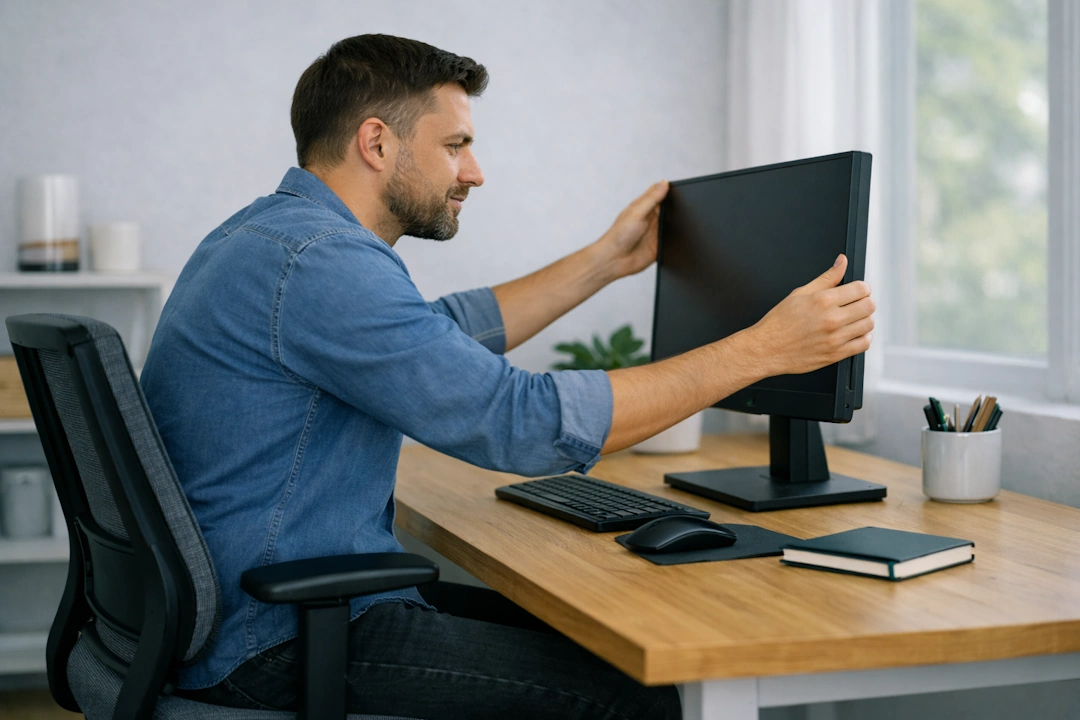
- If your screen is low, you’ll look down.
- If your chair lacks support, you’ll fold forward.
- If your desk is too high, your shoulders will rise.
- If your mouse is too far away, your arm will reach and strain.
The body adapts to the path of least resistance.
It responds to what’s around it.
This means posture is not a personal failing — it’s an environmental outcome.
When the environment supports you, your posture naturally improves.
When it doesn’t, your body compensates.
This is why workspace design matters.
Understanding this connection helps us see posture not as a discipline, but as a dialogue between body and brain.
Common Myths About Posture
Myth 1: There is one “correct” posture
Science shows there is no single ideal position.
Healthy posture is varied, not fixed.
Myth 2: Sitting up straight solves everything
Rigid upright sitting increases muscular effort and often leads to fatigue.
Comfort comes from support, not stiffness.
Myth 3: Slouching is always bad
Slouching is a natural resting position.
Problems arise only when it’s the only position available.
Myth 4: Posture is about discipline
Posture is shaped by environment, comfort, and task demands — not willpower.
Myth 5: Pain always means bad posture
Pain is influenced by stress, load, repetition, and individual sensitivity.
Posture is just one part of a much bigger picture.
Why Posture Matters for Long‑Term Wellbeing
Posture influences how you feel throughout the day — not through dramatic moments, but through small, cumulative effects.
Over time, supportive posture can help:
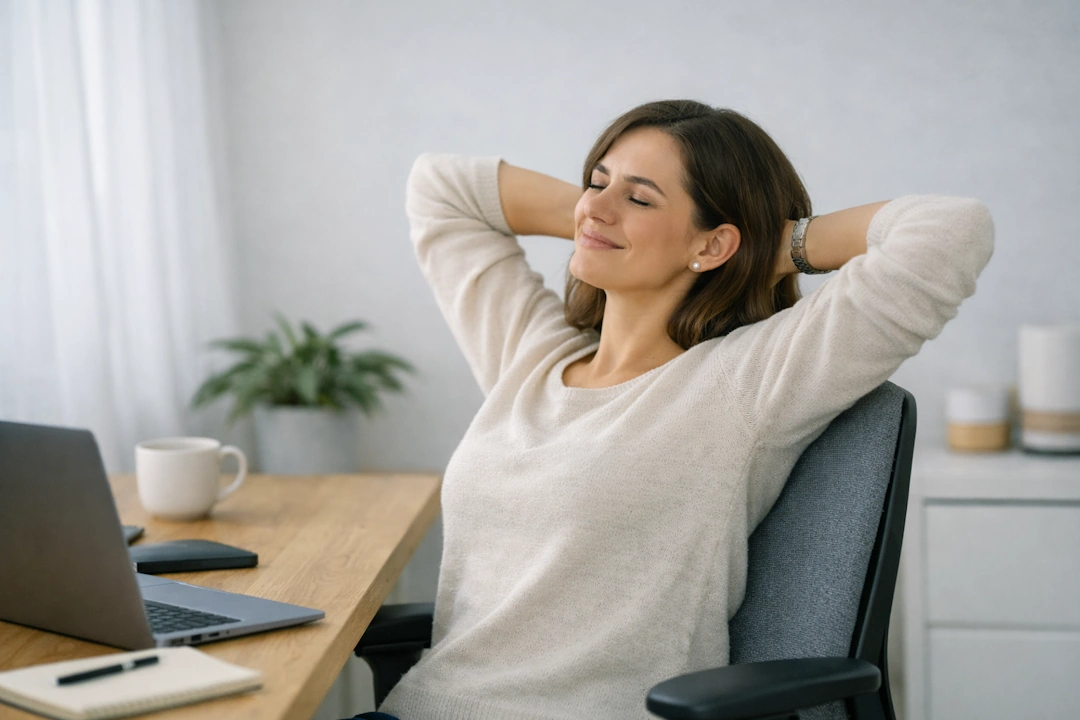
- Reduce unnecessary strain
- Improve comfort and focus
- Maintain energy levels
- Support long‑term musculoskeletal health
- Create a calmer, more sustainable work rhythm
It’s not about perfection.
It’s about giving your body the conditions it needs to work comfortably and naturally.
FAQ’S (Frequently Asked Questions)
No. Healthy posture is flexible, responsive, and varied.
Muscles fatigue, tasks shift, and your attention moves. This is normal.
Yes. Discomfort increases cognitive load and reduces focus.
It can contribute, but pain is influenced by many factors — including stress, load, and repetition.
No. Slouching is a natural position. Problems arise when it’s the only option.
Summary: Posture as a Living System
Posture is not a shape you hold — it’s a system that adapts.
Posture is not a shape you hold — it’s a system that adapts. When you understand posture as dynamic and responsive, it becomes easier to create conditions that support your body naturally.
The science is clear:
posture improves when the environment supports you, not when you force yourself into a position.


Explore comfort your way – through gentle guidance and supportive tools.
A calm space to explore what helps your body feel supported.
Explore More Insights
Read gentle insights and reflections to help you feel more at ease in your workspace.
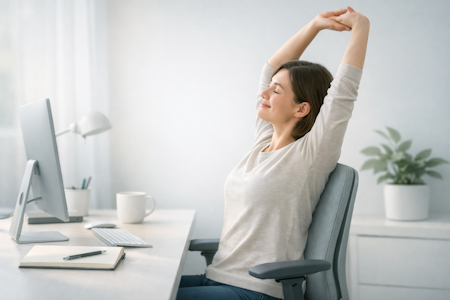
Related Guides
Discover supportive guidance to help your body and workspace feel balanced.
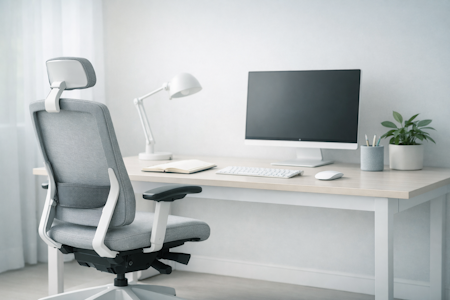
Supportive Solutions
Find ergonomic tools and thoughtful designs that bring comfort into your daily flow.