

What should good storage actually do for me?
Thoughtful storage supports you throughout the day by keeping your space clear, calm, and easy to work in. When you understand what a well‑organised workspace feels like, it becomes much easier to recognise which storage solutions genuinely help you — and which ones simply add more clutter.
Workora’s Take
Most people start by looking for storage solutions, but the real clarity comes from understanding how you work — what you reach for, what distracts you, and what helps you stay focused. When you begin with your habits and your workflow, not the storage itself, every decision becomes simpler, more intentional, and far more supportive.
How Support Works Throughout the Day
Before you choose storage solutions, it helps to understand how your workspace naturally fills, shifts, and changes as you work. These insights make it easier to recognise what supportive storage feels like — and what to look for in any setup.
Click each box for more information
How to Recognise Storage That Truly Supports You
Why This Matters
How Clutter Quietly Affects Your Day
Why This Matters
Understanding the key elements of supportive storage
Once you understand how your workspace naturally fills and shifts throughout the day, it becomes much easier to recognise which storage solutions will genuinely support you. These principles help you evaluate any setup with clarity and confidence. Good storage isn’t about having more containers — it’s about creating a system that adapts to the way you work, not the other way around.
Click each box for more information
Storage Capacity
Why This Matters
Drawer Layout
Why This Matters
Shelf Height
Why This Matters
Vertical Space
Why This Matters
Hidden Storage
Why This Matters
Open Storage
Why This Matters
Desk‑Side Access
Why This Matters
Compartment Size
Why This Matters
What to look for in supportive storage
- Storage capacity that fits your tools — keeps your desk clear and prevents overflow
- Drawer layouts that match your items — make it easier to organise and find what you need.
- Shelves at comfortable heights — keep items visible and accessible without stretching.
- Vertical storage that uses height well — frees up your desk surface and reduces clutter.
- Hidden storage for less‑used items — keeps your workspace visually calm and focused.
- Open storage for daily essentials — keeps frequently used tools within easy reach.
- Desk‑side access that’s close but unobtrusive — supports smooth workflow without crowding your space.
- Sturdy shelves and drawers — prevent sagging and keep your storage feeling reliable over time.
Once you understand the key features, the next step is noticing how supportive storage changes the feel of your workspace.
How to know it’s right for you
- Your desk surface feels clear, not crowded or busy.
- Your most‑used items feel easy to reach, not hidden or scattered.
- Your storage feels supportive, not intrusive or in the way.
- Your workspace feels calm after a few minutes — not just when it’s freshly tidied.
Before you move on to the storage options that reflect these principles, here are the questions people often want clarity on at this stage.
The right amount of storage depends on how many tools you use regularly and how much you prefer to keep on your desk. When your storage comfortably holds your essentials, your workspace feels clearer and easier to work in.
Open storage keeps daily items visible and easy to reach, while closed storage reduces visual clutter and helps your space feel calmer. Most people benefit from a mix that supports both access and clarity.
Daily‑use items work best when they have a consistent, easy‑to‑reach place. When these tools stay close by without crowding your desk, your workflow feels smoother and more natural.
Shelves placed at comfortable heights make items easier to see and reach. When storage sits within a natural range of motion, your workspace feels more balanced and less effortful to use
Vertical storage frees up desk space and keeps items visible, while drawers keep things contained and out of sight. The best choice depends on whether you prefer quick visibility or a calmer, more minimal look.
Clutter builds when items don’t have a clear home. When your storage matches the way you work, it becomes easier for things to return to their place and your desk stays clearer throughout the day.
Lockable storage is helpful in shared or hybrid environments where you want to keep personal items secure. It provides a sense of privacy and consistency, especially when you don’t use the same desk every day.
The most important feature is the one that supports your daily workflow. When your storage fits your tools and your habits, your workspace feels calmer, clearer, and easier to work in.


Sources
- Workplace organisation research — evidence on how storage design, accessibility, and layout influence clarity, focus, and day‑to‑day workflow. (View resource)
- Environmental psychology studies — insights into how clutter, visibility, and spatial arrangement affect attention, stress, and cognitive load. (View resource)
- Productivity and workspace design organisations — guidance on creating organised environments that support smoother work, reduce decision fatigue, and maintain a sense of control. (View resource)
- Facilities and workplace management standards — recommendations for storage capacity, accessibility, and space planning in modern work environments.
Bring This Guidance Into Your Workspace
These chairs reflect the support and posture principles explored in this guide.
-
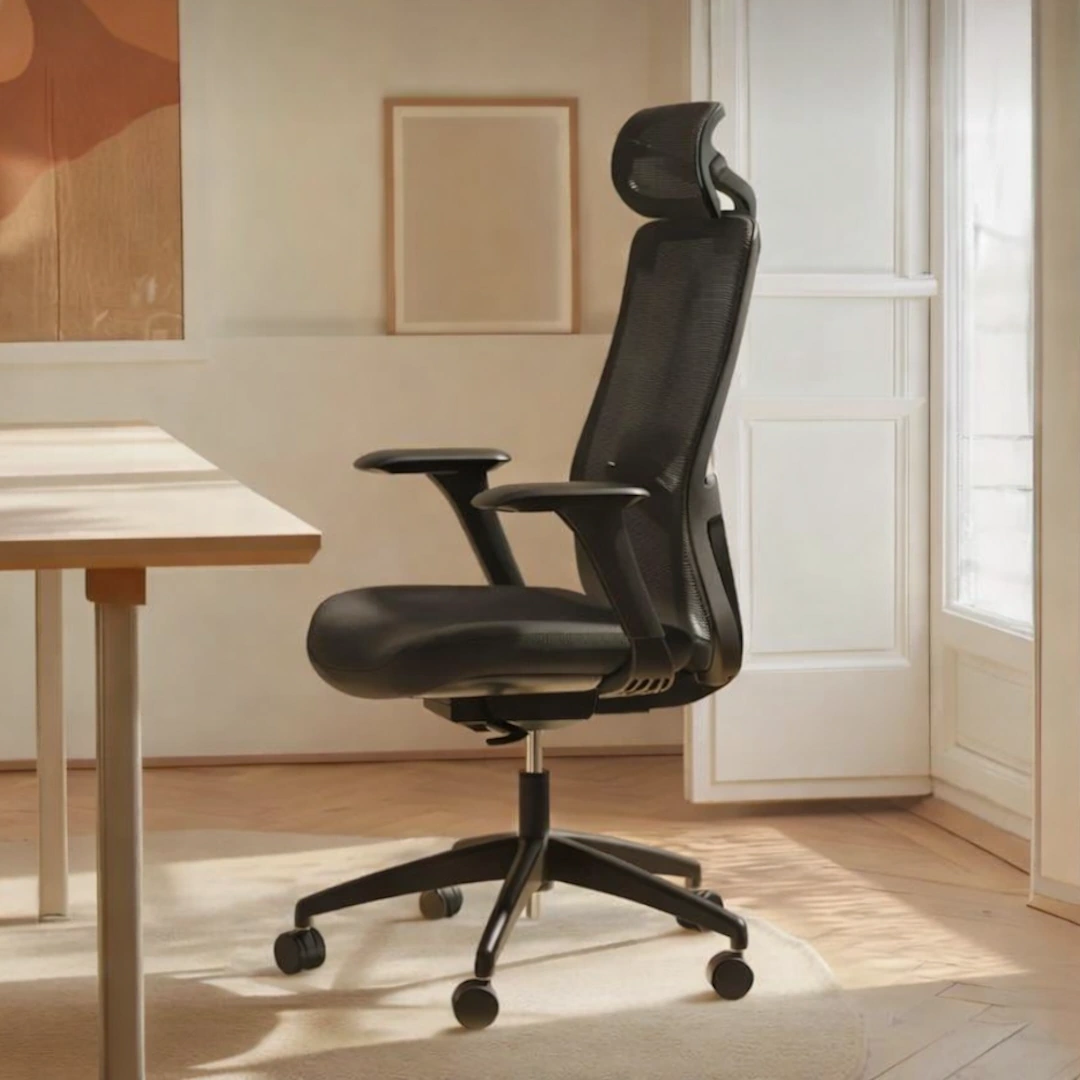
SitOne Ergonomic Office Chair
View full details: SitOne Ergonomic Office ChairThe SitOne ergonomic chair supports your body through a thoughtful set of adjustable features — from seat‑depth refinement to 4D armrests that move with your natural posture. Its lumbar support and premium build are designed to reduce strain and maintain alignment for all day comfort.
-
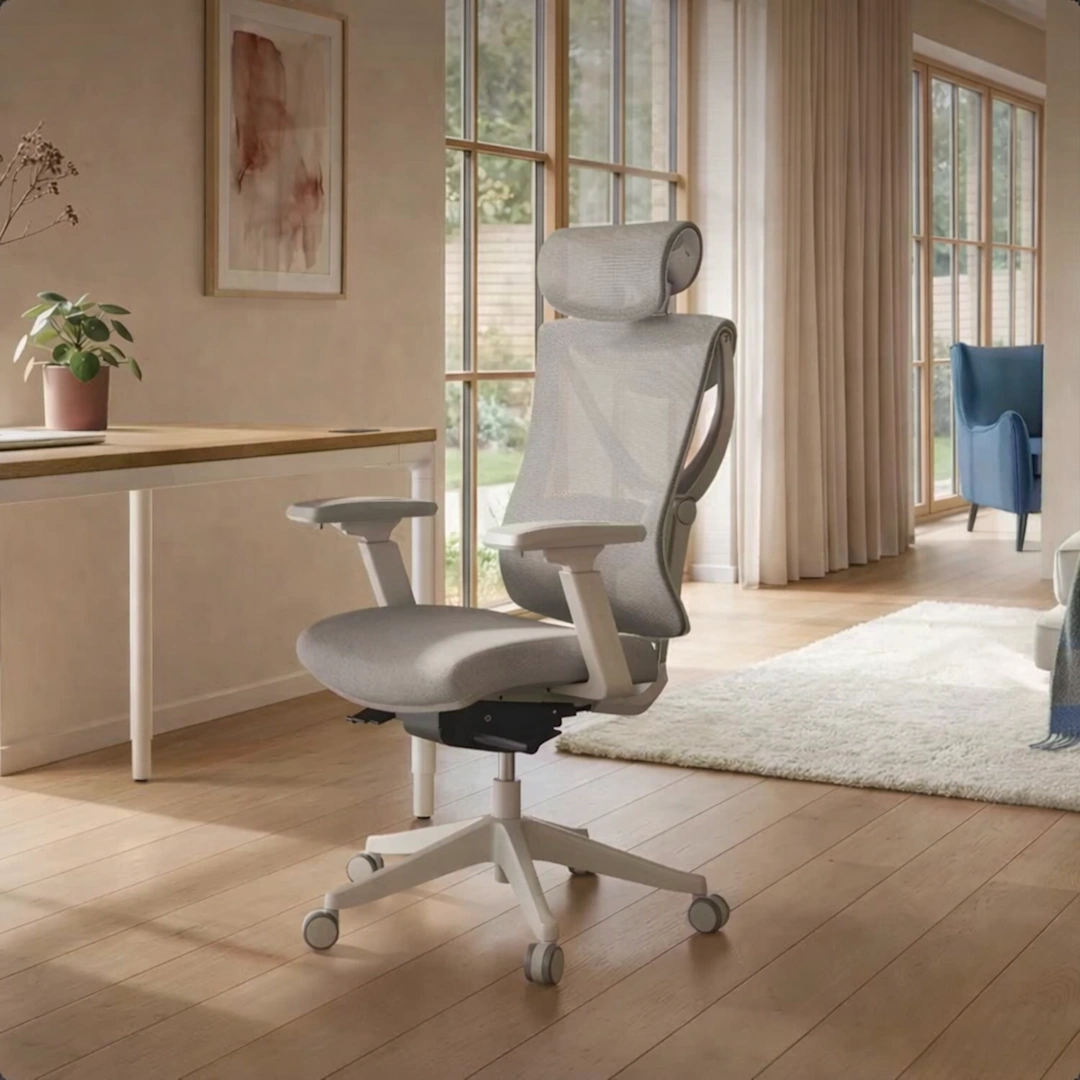
SitPro Ergonomic Office Chair
View full details: SitPro Ergonomic Office ChairThe SitPro ergonomic chair adapts quietly to your body through nine points of adjustment — from the height‑balanced backrest to the 3D armrests that follow your natural posture. Each element is designed to support alignment and ease through long hours of seated work.